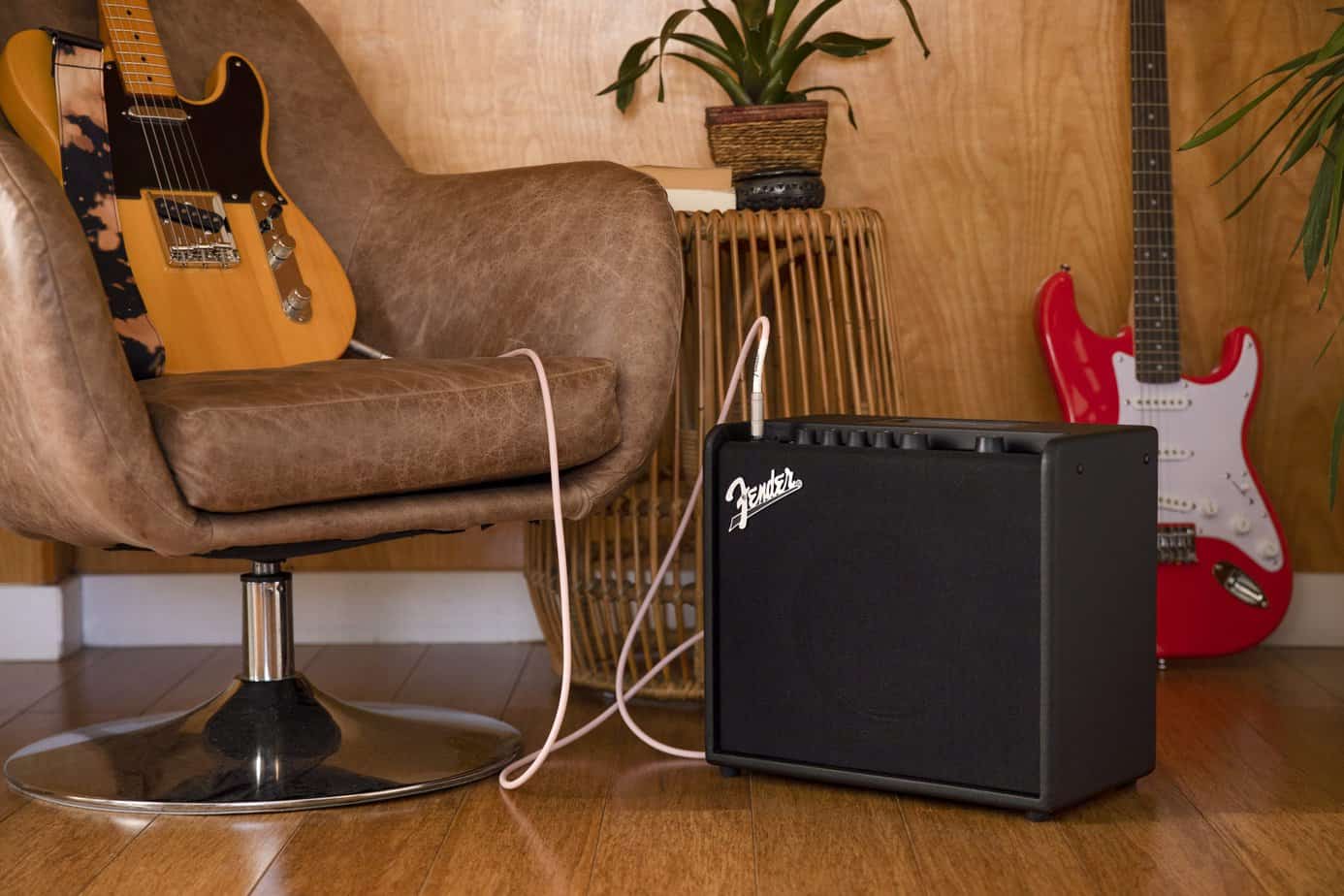
The actual kit that went around the world in the World in Six Strings footage. Sixteen months, twelve locations, about $900 all in.



If you’re a new player looking for the best electric guitar, you might be looking at the Fender Squier series – if you want to know what is better in the battle of Squier Affinity vs Bullet, you’ve come to the right place. We’ve explored the main differences, so you can figure out which one is better for you.
The Affinity and Bullet series are very similar, and both are admired by new guitar players. The bottom line? The Squier Affinity is a little more expensive because it uses higher-quality parts, and has a slightly better sound as a result.
The Bullet series has a lot to offer too – we’ll explore both in our in-depth comparison, so you can figure out which one suits you best. We’ll be looking at their differences, their key features, their shape, sound, and durability, and their pros and cons.
Bottom Line Up Front: Spring for Squier by Fender Affinity here if you think guitar playing is going to be a hobby that will sustain you for years to come. If you just want to try it out, or you’ve got a kid who might change their mind about their new love for guitar playing, a Squier by Fender Bullet is a solid choice.
Rock out without worrying about shipping costs! Fender is offering free shipping on all orders of $50 or more. Whether you're searching for a new guitar, accessories, or merchandise, this promotion ensures that your musical dreams come with no additional shipping fees. Take advantage of this limited-time offer and have your gear delivered right to your doorstep, free of charge.
Let’s start by looking at what sets them apart!
The main differences between Squier Affinity vs Bullet are:
This Strat features several player-friendly refinements such as a slim and comfortable “C”-shaped neck profile, a vintage-style tremolo bridge for expressive string-bending effects and sealed die-cast tuning machines for smooth, accurate tuning.
My Personal Pick
Squier by Fender Affinity
 We earn a commission if you make a purchase, at no additional cost to you.
| Squier Affinity Series Stratocaster HSS | Squier Bullet Stratocaster HSS | |
| Body Shape | S Style | S Style |
| Body Material | Poplar | Basswood |
| Neck | Laurel | Maple |
| Frets | Indian Laurel 9.5” fingerboard, 21 frets | Rosewood 9.5” fingerboard with 21 frets |
| Pickup | Combination | Combination |
| Warranty | 2-year limited warranty | 2-year limited warranty |
| Latest Price | See here for the latest price | See here for the latest price |
Here are the main features of the Squier Affinity and Squier Bullet:
The Squier Affinity series is very popular, thanks to the quality parts used whilst still being reasonably priced.
They’re designed to hit a kind of middle ground between Squier Bullets, which are very much aimed at beginners, and more expensive Fender guitars.

On launch, the Squier Affinity range was marketed as the budget option – but this is no longer the case, with Affinity guitars improving in quality and Bullet guitars introduced as the cheaper choice.
The Affinity range has several models:
For the purposes of comparison, we’ll be focusing on the Affinity Series Stratocaster HSS, so we can directly compare it to the same model in the Bullet range.
The Squier Affinity Series Stratocaster HSS is full-sized, but lightweight to hold – making it suitable for many people. Older children should be able to manage to hold it thanks to the weight. It still feels solid to hold, however, and despite the low price, doesn’t feel like a budget guitar.
It’s designed to be comfortable to hold, with the “C”-shaped neck profile engineered to be comfortable for all playing styles. It has a vintage feel to it, thanks to the retro-style tremolo bridge.
It looks beautiful too. With sealed die-cast tuning machines, the classic gold-and-black Squier logo, and the chrome hardware, it’s nice to look at whilst being hard-wearing.
This Strat features several player-friendly refinements such as a slim and comfortable “C”-shaped neck profile, a vintage-style tremolo bridge for expressive string-bending effects and sealed die-cast tuning machines for smooth, accurate tuning.
My Personal Pick
Squier by Fender Affinity
We earn a commission if you make a purchase, at no additional cost to you.
The Squier Affinity Series Stratocaster HSS sounds great right out of the box. More experienced musicians may be able to tell the difference between this and a higher-priced instrument, but the average player should feel satisfied with the sound you’ll get with this.
It features a humbucking pickup in the bridge position, which should provide a warm tone with a balanced sound. The tremolo bridge allows players to use some very expressive string-bending effects.
It also has solid, die-cast tuning machines that provide accurate tuning. It stays in tune, too, which is really important, and unlike the Bullet HSS, using the tremolo shouldn’t knock it out of tune. Players can change the intonation using the six separate paddles, which may feel a bit overwhelming for beginners but does give you a bit more control.
Fender describe the sound as ‘genre-defying’ which again shows how this guitar has been engineered to suit a wide variety of styles – it’s a very ‘welcoming’ instrument in that way.
It’s considered to be slightly better in terms of sound than the Bullet Stratocaster HSS, mostly because of the higher-quality materials.

There aren’t a huge amount of extra features to talk about here – this is a basic guitar, after all.
The Squier Affinity Series HSS comes in a variety of colors:
The materials used in the Affinity series are actually impressive given the price. The hardware, for example, is a shiny chrome that is designed to resist tarnishing.
It’s a durable guitar that should last you a long time with proper care (see our guide on how to properly store your guitar for more information on guitar care).
The Squier Bullet series is very much a budget-friendly option, but that makes it a good choice for beginners. For an entry-level player, a Bullet may be the way to go.
In fact, some consider it to be the quintessential ‘

Let’s take a look at what models the Bullet series has to offer:
We’ll be looking at the Bullet Stratocaster HSS, to compare it with the Affinity Series Stratocaster HSS.
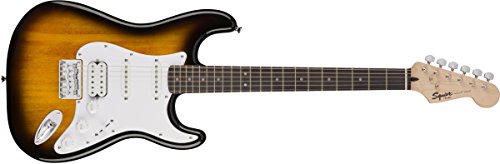
This is a lightweight guitar that, like the Affinity, is designed to be easy to play. It has a “C”-shaped neck profile which is designed to be comfortable for all playing styles, and the rosewood fingerboard feels comfortable to hold.
Because of the weight and size, even children should be able to manage to hold it. In fact, the low price makes it very appealing for younger players, as it doesn’t feel like such a huge investment if something goes wrong (or if your child decides they don’t want to play anymore).
Like the Affinity version, it looks nice, although it does look a little more basic. The Squier logo is in black, for example, compared to the gold-and-black logo on the Affinity HSS.
The newly redesigned Bullet Strat is ideal for first-timer players looking for an easy-to-play, affordable electric guitar. Its sleek neck provides fast and smooth playability while the improved tuning machines and hardtail bridge ensure rock-solid tuning stability.
Most Affordable
Squier Bullet Strat (Standard) | Fender
 We earn a commission if you make a purchase, at no additional cost to you.
The sound, given the price, is pretty good. Just like the Affinity, it’s designed to suit all genres, and the humbucking bridge gives a nice warm tone.
The neck and middle pickups have five-way switching for sonic variety, and you can use the tremolo bridge for string-bending effects. The tremolo can, however, knock the guitar out of tune slightly when used. Beginners probably won’t use the tremolo straight away, but it is something to bear in mind if you do plan to use it a lot.
However, as you might expect, the sound quality is not as good as the Affinity series HSS. The Affinity has better-quality pickups, which make a big difference in terms of sound. You could upgrade the pickups if you’re really enjoying the Bullet and you want to improve the sound quality, but this obviously comes at an extra cost, so you may be tempted to shell out for the Affinity instead.
As this is a basic model at a great price, there aren’t many extra features to talk about.
It does come in a few colors:
This is also where the Bullet series falls short compared to the Affinity series.
As it uses cheaper parts, it’s not as durable as an Affinity guitar. The build quality can also be inconsistent, and sometimes the finish on the neck is imperfect – you can expect the Affinity HSS to look more ‘polished’ in comparison.
This is something to bear in mind especially if you’re planning on giving it to someone as a gift.
It also uses cheap switches which are a little stiff, and may not last as long as those on the Affinity HSS, and may become a bit annoying after a lot of use.
Let’s take a look at the pros and cons of both.
If you want more ideas, here are a few alternatives you can try.
The following guitars are affordable, durable, and designed for beginners:
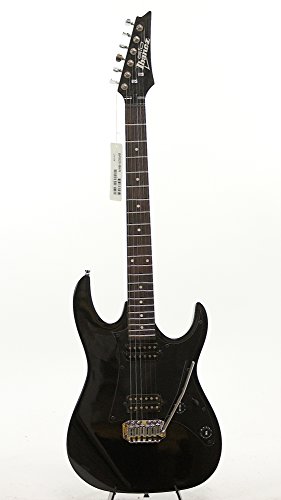
The Ibanez GRX20 Electric Guitar has a sleek neck and fast action. Two howling humbuckers-a Powersound 1 at the neck and a Powersound 2 at the bridge-crank out grinding, gritty tone by the busload. Standard rocking tremolo lets you dive bomb your way to musical bliss.
Ibanez 6 String Solid Body Electric Guitar | Guitar Center
 We earn a commission if you make a purchase, at no additional cost to you.
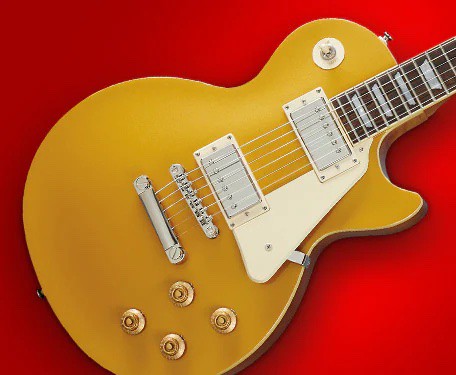
Features 700T/650R open-coil humbucking pickups that deliver long, singing sustain and true Les Paul tones. The LockTone Tune-O-Matic bridge and stopbar tailpiece add more sustain and make string changing easier.
Epiphone Les Paul Special II Electric Guitar | Guitar Center
 We earn a commission if you make a purchase, at no additional cost to you.
The Dinky Minion JS1X has a poplar body, speedy bolt-on maple neck with graphite reinforcement rods and a 12” radius amaranth fingerboard with 24 jumbo frets and sharkfin inlays.

Answer: Fender offers tutorials for new players with their Fender Play lessons. These are comprised of video lessons, and you can track your progress as you go. You can download the app for Android or iOS, which allows you to play as you go. At the time of writing, they were offering a free trial.
If not, there are lots of other online tutorials and apps you can try. Yousician is a popular app that beginners enjoy using
Answer: On the one hand, the Squier Affinity has the advantage of being more durable. Even if an Affinity guitar does get knocked out a bit, it may last longer than a Bullet guitar. However, the Bullet HSS has the advantage of being simpler to use and cheaper. A cheaper guitar may be a safe bet, especially if you think your kid might not stick with their lessons!
Answer: Yes - if you like the way the guitar plays and feels. In that case, it's worth investing in some upgrades. However, if you dislike the basic sound and the feel of the guitar, it's worth spending the money on a guitar that suits you better.
Answer: Yes, Squier is owned by Fender. Squier originally manufactured strings for violins, banjos, and guitars, before being taken over by Fender in 1965. The first Squier guitars were produced in 1982.
Answer: Squier guitars tend to be cheaper, but not as high-quality as regular Fender guitars. Our Fender Standard Stratocaster Review may give you an idea of how it compares to the guitars we've looked at in this article.
You can see more great Fender guitars in our top 10 Best Fender Guitars.
Answer: There are a few reasons why Squier guitars are cheaper. They tend to be made from cheaper components, including cheaper wood. They're also mostly made in Korea or Indonesia to keep the costs down.
Answer: The bass player Troy Sanders from Mastodon sometimes uses a Squier bass. Troy Van Leeuwen from Queens of the Stone age plays a Squier Jazzmaster occasionally too.
Which one is better?
It really depends on your situation, but it does seem to come down to that old saying ‘you get what you pay for’.
The Squier Affinity series has to be our favorite. We do think it’s worth spending extra on for the slightly higher sound quality and increased durability (both of which are down to the superior parts used).
We also like that it gives you a little more control in terms of the intonation using the paddles. Some players (especially younger ones) may not want that as an option, but it’s good to have in our opinion.
We also like that the Affinity series has a slightly more polished look – this is purely aesthetic, but it’s nice to have.
The Bullet series is a solid choice however for beginners, kids, or those on a low budget. They’re not as durable and they look a little more basic, but given the price, they do produce great sound.
They’re easy to tune and take care of, and they’re simple – which is a big thing for beginners just beginning to get to grips with guitar playing.
This Strat features several player-friendly refinements such as a slim and comfortable “C”-shaped neck profile, a vintage-style tremolo bridge for expressive string-bending effects and sealed die-cast tuning machines for smooth, accurate tuning.
My Personal Pick
Squier by Fender Affinity
We earn a commission if you make a purchase, at no additional cost to you.
Spring for Squier by Fender Affinity if you think guitar playing is going to be a hobby that will sustain you for years to come. If you just want to try it out, or you’ve got a kid who might change their mind about their new love for guitar playing, a Squier by Fender Bullet is a solid choice.
They’re both great guitars that are fun to play. It’s always a good idea to try them out in person if you can, so you can get a feel for them before you buy, but if you can’t, you can be assured that either one works well as an entry-level guitar.
Embrace the opportunity to discover your musical talents with Guitar Center's exceptional Daily Pick, designed to unleash your inner musician. With the finest offer of the day, you can indulge in a world of musical possibilities and take your skills to new heights.

The actual kit that went around the world in the World in Six Strings footage. Sixteen months, twelve locations, about $900 all in.
Ever hit a G chord that feels bright and settled, then swap to G7, and suddenly it sounds a little…expectant? Like it’s leaning forward, waiting for the next page to turn. That “unsettled” sound is the whole point. G7 is a dominant seventh chord built from G (Root), B (Major 3rd), D (Perfect 5th), and […]
The first time I met B7, my hand froze. Four fingers, tight spacing, and one tiny mistake makes half the chord go dull. That is why I call B7 the Gateway Chord. It pushes your fingers to work as a team. You will hear it in Blues, Folk, Classic Rock, Jazz, and even acoustic metal […]